
ROSA GAMES / JOURNAL
Turn-based and real-time games
A game’s pace affects how decisions are made, not just how quickly things happen. One format lets you examine a position; another changes while you act.
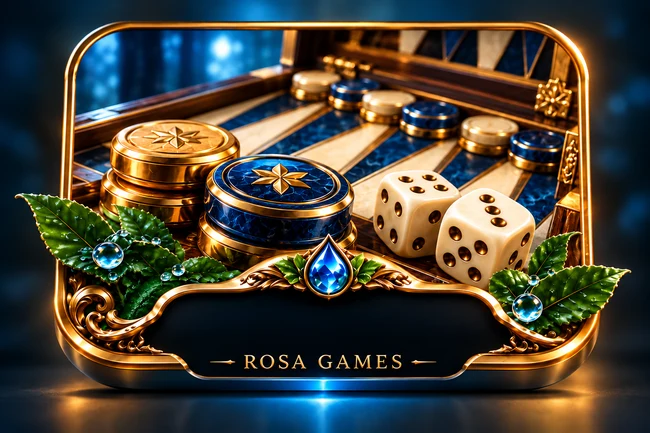
Taking separate turns
Turn-based players receive distinct opportunities to act. The position usually stays still while you choose, making analysis easier to organise. A timer can limit thinking time without making turns simultaneous.
Managing continuous motion
Real-time play asks you to adjust while events unfold. A ball or puck changes direction as you control an object. Clear visuals and predictable input response become especially important.
Choosing your pace
Chess, draughts or backgammon can suit an unhurried match. Sports arcades may suit a short active session. This is a preference rather than a difficulty scale: a slow game can still involve demanding decisions.